
Introduction
Recently, many companies and individuals have been considering purchasing high-defense servers from the United States to enhance their resistance to DDoS. This article focuses on the question "Is it illegal to buy a US high-defense server?", reviewing the domestic and international legal environment, compliance risks, and practical key points, providing due diligence and technical management advice to support decision-making and risk control.
What is US high-defense servers and common uses
High-defense servers typically refer to hosted or cloud service nodes with high bandwidth, traffic cleaning, and DDoS mitigation capabilities. It is commonly used for defense attacks in industries such as e-commerce, gaming, and finance, and is also employed for overseas node acceleration, business disaster recovery, and compliance isolation. Understanding the intended use helps determine compliance boundaries and key points for supplier selection.
Overview of the legal environment for purchasing high-defense servers in the United States
Deploying servers in the U.S. is regulated by federal and state laws, covering rules related to computer abuse, cybercrime, and law enforcement assistance. Service providers typically have Acceptable Use Policies (AUP) and enforcement cooperation clauses. Users should ensure that services are not used for illegal activities and must cooperate with legal investigations and summons requirements.
Domestic legal risks (China).
From a Chinese perspective, cross-border use of U.S. high-defense servers involves regulations such as cybersecurity laws, data security laws, and personal information protection. Cross-border transmission of sensitive data and personal information requires compliance assessment, filing, or review; If servers are used for illegal activities, domestic entities may also bear legal responsibility and administrative penalties.
International compliance and sanctions risks
Purchasing and using cross-border servers also faces international sanctions, export controls, and anti-money laundering requirements. If the service provider or terminal is involved in the sanctioned entity, transactions and custody may be restricted or frozen. Companies should verify the compliance background of their partners to avoid triggering export controls or being implicated in sanctions.
Key points ofsupplier due diligence and contracts
When choosing a U.S. high-defense service provider, review the AUP, privacy policy, log retention, enforcement cooperation terms, and SLAs. Focus on verifying cleaning capacity, abuse of complaint processes, data center location and legal application clauses, signing clear responsibility allocation and management processes to reduce compliance and operational risks.
Key points for data protection and privacy compliance
Cross-border data transfers require assessment of whether personal information or sensitive data is involved, and appropriate safeguards (contracts, encryption, minimization) must be taken. We also consider applicable laws (such as GDPR or privacy laws in various countries) and prepare mechanisms to respond to data subject requests and regulatory audits.
Risk management and technical practice advice
Technically, layered protection, traffic diversion, and whitelist management should be adopted, establishing continuous monitoring and alerting, traffic traceability, and event response processes. Maintain necessary logs, conduct regular drills and security audits to ensure rapid positioning and cooperation with compliance investigations during emergencies.
Legal use and compliance advice
Clarify the legal purpose of the business, maintain compliance records, and sign compliance commitments with suppliers. Develop data classification and transfer strategies for cross-border business, and seek legal and compliance advisory advice when necessary. Stricter approval and audit processes are being implemented for high-risk scenarios.
Summary and action recommendations
Overall, there is no one-size-fits-all answer to "Is buying a US high-defense server illegal?" The key lies in usage, data type, and compliance management. It is recommended to conduct legal compliance assessments, supplier due diligence, and contract agreements before procurement, and to continuously monitor and track the process during operation. For sensitive data or complex cross-border issues, consult professional lawyers and compliance experts.
- Latest articles
- This Tutorial Teaches You How To Check The IP Address And Location Methods For Google Servers In Korea
- A Comparative Analysis Of The Performance And Cost Differences Between German Rittal Data Center Air Conditioners And Mainstream Brands
- For International Enterprises Localizing Deployment, Refer To Which Cloud Server In Malaysia Is Best For Network Interoperability
- How The Client Case Server In Singapore Helps Cross-border E-commerce Improve Order Placement Speed
- How To Use Infinite Cloud US Server Hosting During E-commerce Promotions To Cope With Traffic Shocks
- SEO And Access Speed Practice VPS Korea, Japan, Hong Kong 3 Impact On Localization Effectiveness
- Analysis Of The Pros And Cons Of Recommended Hong Kong Native IP Servers For Cloud Hosting Versus Dedicated Servers
- Cross-cloud Migration Strategies To Avoid Business Interruptions When Cloud Servers Are Stopped In The United States
- Buying Guide: Japan's Most Practical Cloud Server Discount Period Grab And Long-Term Operation And Maintenance Cost Control Tips
- Malaysia VPS CN2 GIA Multi-node Load Balancing Practice And Configuration Steps
- Popular tags
-
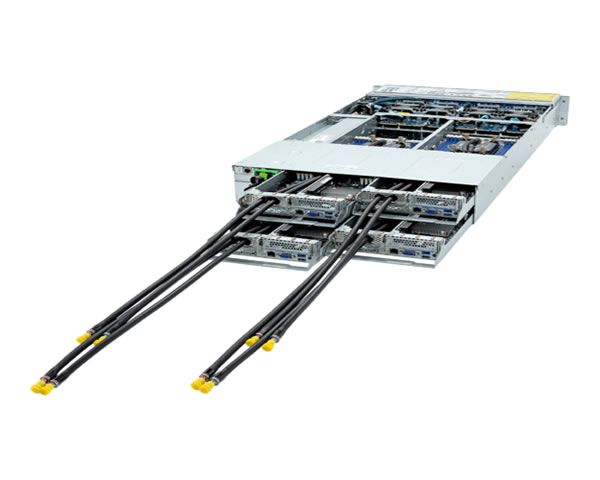
A Guide To Selecting High-defense Servers In The United States To Improve Protection Capabilities
This article provides you with a comprehensive guide to selecting American high defense servers to help improve your network protection capabilities and ensure website security. -

The Complete List Of American Server Codes Helps You Quickly Build A Website
This article will provide you with a detailed list of American server codes to help you quickly build a website and improve the performance and security of the website. -
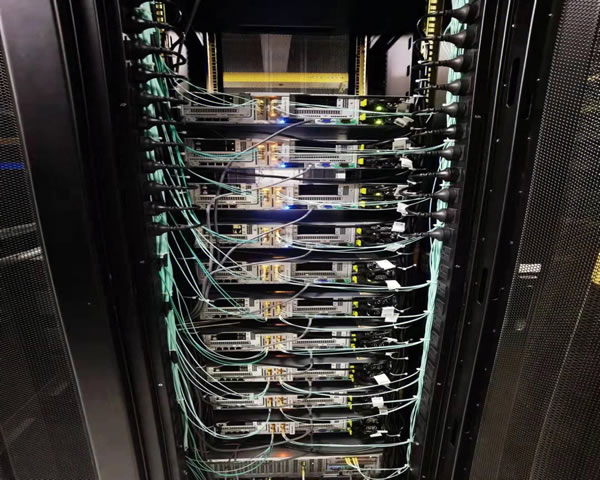
Practical Suggestions For E-commerce Sites To Use The Us Cn2 Site Group To Improve Their Rankings
a practical guide for e-commerce: how to use the us cn2 site group to improve search rankings and user experience while ensuring compliance and content quality, including network, server, localization, site group structure and monitoring suggestions.